The Mileage Tax Is Real — and It’s Killing the California Dream
The Mileage Tax Is Real — and It’s Killing the California Dream
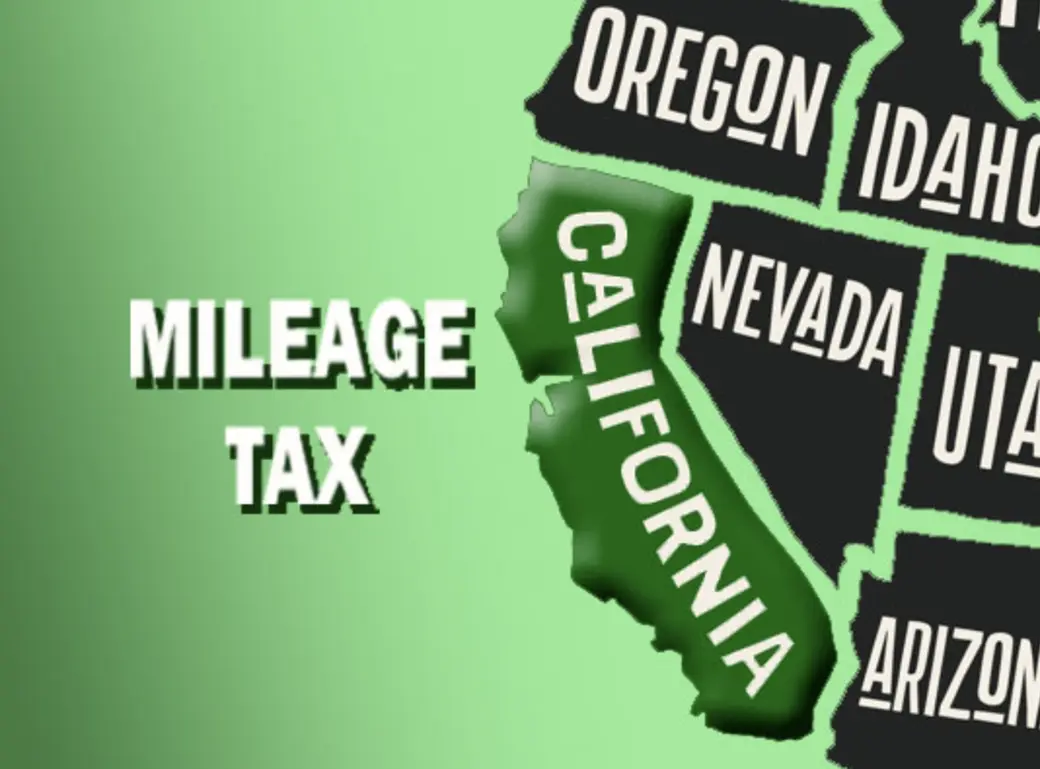
California policymakers talk about housing affordability and climate goals, but what they’ve actually created is a hidden mileage tax that makes housing more expensive, burdens taxpayers, and pushes working families out of the state.
This isn’t theory — it’s reality.
Recent changes to the California Environmental Quality Act (CEQA) and the use of Vehicle Miles Traveled (VMT) standards are now being used to justify new fees, mitigation costs, and regulatory barriers that developers must pay before a project can move forward. What’s worse: these costs don’t just slow housing — they increase prices for buyers and renters who are already stretched thin.
What Is VMT Really Doing?
VMT was introduced under CEQA as a way to measure the environmental impact of new development by estimating how much residents will drive. On paper, that sounds reasonable — but in practice it has become nothing more than a fee machine.
Local governments can now impose mitigation fees on housing projects that don’t meet arbitrary VMT thresholds, and funnel that money into state-managed “mitigation banks” or other programs. Those fees can be substantial, and they’re ultimately passed on to the people who buy or rent the homes.
Critics have called this a new housing tax families simply cannot afford — and they’re right.
CEQA’s Original Purpose Has Been Twisted
CEQA was supposed to ensure transparency in environmental impacts. But for decades it’s been used as a tool to delay, block, or burden development — especially housing — through litigation, procedural obstacles, and now financial penalties.
Even when CEQA reforms are touted as streamlining housing, the language buried in the bills authorizes new fees and costs tied to transportation and climate mitigation. Those fees aren’t optional in practice — they become conditions for approval, adding tens of thousands of dollars to the cost of a home.
This isn’t protecting the environment — it’s protecting scarcity.
Taxpayers and Homebuyers Are Paying the Price
Let’s be clear: these aren’t costs absorbed by government. They’re costs passed directly to:
- Homebuyers, who pay more per unit of housing
- Renters, as developers raise rents to cover mitigation costs
- Taxpayers, who see public funds go toward programs that don’t meaningfully increase supply
- Middle-income families, who are squeezed out of homeownership
The state’s own policies treat low-income housing as generating lower per-capita VMT, meaning market-rate buyers subsidize affordable units elsewhere — a form of income redistribution that makes owning a home even harder for average Californians.
California Is Losing People — Because They Can’t Afford to Stay
The housing crisis isn’t abstract. People are leaving the state because they can’t afford to live here. In fact, official data shows that despite slight population upticks, hundreds of thousands of Californians continue to leave for more affordable regions — and housing costs are the biggest driver.
Every minute someone is making a decision like:
- “I love California — but I can’t raise a family here.”
- “I’d stay if I could afford a home.”
- “I’m moving to Texas, Arizona, or Nevada because housing makes no sense here.”
That’s not hyperbole — that’s the lived experience of countless Californians right now.
The Policy Outcomes Aren’t What They Claim to Be
Supporters of VMT and CEQA reforms claim they’ll:
✔ Reduce driving
✔ Lower emissions
✔ Protect the environment
✔ Promote sustainable communities
But the actual outcomes tell a different story:
- VMT mitigation doesn’t reduce driving if housing is too expensive or too far from jobs.
- Transportation costs often rise when people are forced into long commutes because affordable housing is unavailable near where they work.
- CEQA continues to delay projects and add cost, even when the reforms were meant to streamline approvals.
This isn’t environmental stewardship — it’s regulatory cost inflation.
Young People and Working Families Are the Biggest Losers
Young professionals, families, and middle-income earners are facing a bleak reality:
- Homeownership is slipping out of reach
- Rents are skyrocketing
- Opportunities shrink as costs rise
- Migration out of the state accelerates
It’s not just about housing — it’s about the future of California itself.
The Bottom Line
CEQA and VMT have been repackaged as environmental policy, but the real effect is economic:
➡ They increase development costs.
➡ They create new “fees” that function like taxes.
➡ They make housing more expensive, not more attainable.
➡ They burden taxpayers and homebuyers at the worst possible time.
If California wants to truly solve its housing crisis — and keep families, workers, and young people in the state — it must rethink these policies and focus on real solutions that expand supply, reduce unnecessary costs, and make housing affordable again.
Because right now? The so-called solutions are making the crisis worse.
Recent Posts