More Homebuyers Turn to ARMs as Fixed Rates Climb Past 7% — But 2020 Borrowers Face $1,000+ Payment Jumps
More Homebuyers Turn to ARMs as Fixed Rates Climb Past 7% — But 2020 Borrowers Face $1,000+ Payment Jumps
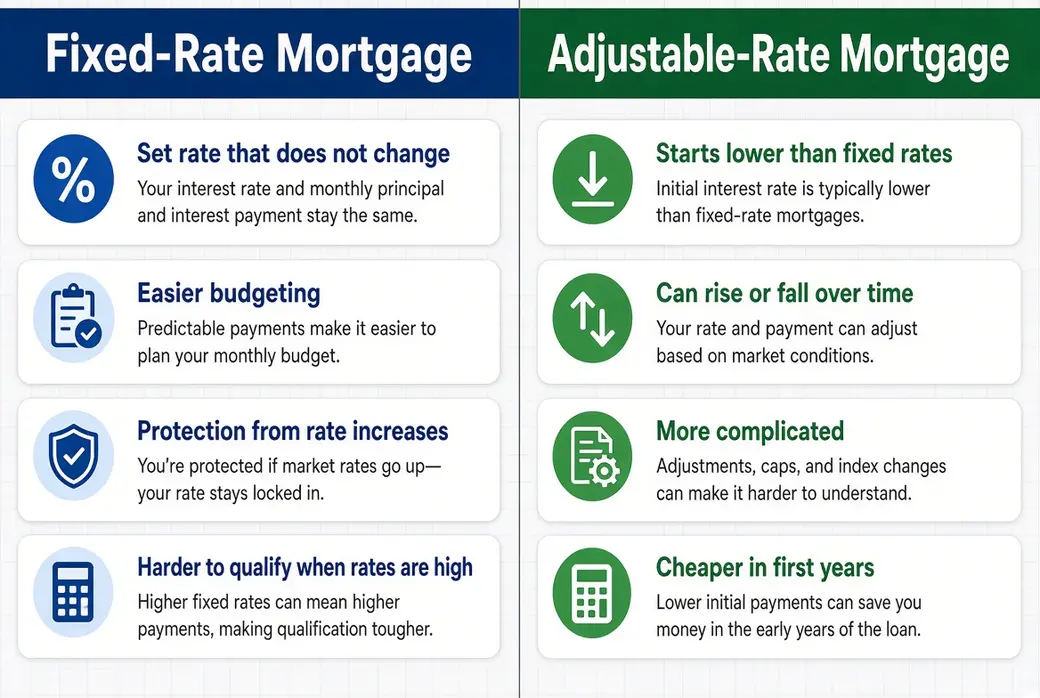
Adjustable-rate mortgages are gaining traction again as 30-year fixed rates push past 7 percent, offering temporary relief for some buyers. At the same time, tens of thousands of borrowers who took out seven-year ARMs in 2020 are staring at median payment increases of more than $1,000 a month when their fixed periods end in 2027.
According to Intercontinental Exchange’s (ICE) October Mortgage Monitor report, ARMs made up close to 11 percent of mortgage rate locks during the week of September 18 — the largest share since late 2022. On the refinance side, the ARM share hit 17.5 percent that same week, the highest level since weekly tracking began in 2019.
Why ARMs Are Attracting Attention
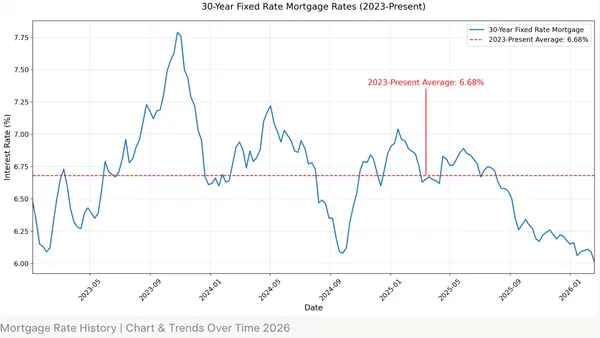
Mortgage rates have erased earlier-year affordability gains. ICE reported that the monthly principal-and-interest payment on a median-priced home (with 20 percent down) required 31.7 percent of median household income in late September, up from 27.6 percent in January. At a 7.2 percent rate recorded September 24, that payment stood at $2,383.
Close to 9 percent of homebuyers who locked a rate the week of September 18 chose an ARM — the second-highest weekly share since 2022. Most new ARMs still provide multi-year breathing room: about 90 percent carry a fixed rate for at least five years, and half are fixed for at least seven.
Purchase applications fell 8 percent over the three weeks ending September 18, according to Mortgage Bankers Association data cited by ICE, as higher rates cooled demand.
2020 ARM Borrowers Face the Biggest Resets
A first reset occurs when an ARM’s initial fixed period ends and the rate begins adjusting. ICE estimates the median borrower reaching that point in 2027 will see a rate increase of roughly 2.2 percentage points and a payment jump of $645 a month (24 percent).
The group drawing the most attention is the 74,000 borrowers with seven-year ARMs originated in 2020. They carry a median balance of $629,000 and a median rate of 2.75 percent. ICE projects that rate will rise to 5.79 percent at the first reset, producing an estimated median payment increase of $1,066 a month. After subsequent adjustments (limited by rate caps), the increase could reach $1,269 a month, or 43 percent.
Overall, 186,000 ARMs have fixed periods ending in 2027, up from 148,000 this year. Scheduled first resets are projected to climb further: 252,000 in 2029 and 425,000 in 2032.
Most ARMs Remain in Fixed Periods
Despite the recent uptick, overall market exposure to adjusting payments is still limited. There are 3.1 million active ARMs — the most in about 5.5 years — representing 5.6 percent of active mortgages. Roughly one-third (1.05 million loans) have already moved past their fixed periods and are adjusting; that is the fewest in the 25 years ICE has tracked the figure. More than 90 percent of ARMs originated since 2022 remain in their fixed-rate periods.
“ARMs are becoming more attractive to borrowers looking for relief from today’s higher fixed rates, but the overall market exposure to adjustable payments remains relatively limited,” said Andy Walden, head of mortgage and housing market research at ICE.
What the Fed’s Rate Increase Means for Current Borrowers
For borrowers whose ARMs are already adjusting, ICE estimates the September quarter-point Fed increase adds a median $14 to the monthly payment (assuming the full increase reaches the loan). The median impact is higher — about $53 — for loans originated since 2022, which carry a median balance of $340,000. If the Fed ultimately raises rates by a full percentage point (as futures markets have priced in), the overall median increase would be roughly $56 a month.
Home equity lines of credit (HELOCs) reset monthly and track the prime rate, so the increase reaches those borrowers within a month or two. ICE estimates a $9 monthly increase for the median HELOC borrower with a primary mortgage, who carries a $44,000 balance at 7.4 percent.
By the Numbers (from ICE)
- 17.5%: ARM share of refinance rate locks the week of Sept. 18 (highest since 2019)
- ~11%: ARM share of overall mortgage rate locks that week (highest since late 2022)
- $1,066: Estimated median monthly payment increase for 2020 seven-year ARMs at first reset in 2027
- 3.1 million: Active ARMs (most in ~5.5 years)
- 186,000: ARMs with fixed periods ending in 2027
- More than half: Homebuyers who paid at least half a point in upfront fees to lower their rate in August (up from 46% a year earlier)
Bottom Line
ARMs are providing short-term rate relief for a growing share of buyers and refinancers as fixed rates remain elevated, and most new ARM borrowers have several years before their rates can adjust. The more immediate risk sits with the 2020 cohort — particularly those with seven-year products — who locked in ultra-low rates and now face substantial payment increases starting in 2027. For the broader market, the share of loans already adjusting remains historically low.
Categories
Recent Posts